
How to Travel on a Budget: 20 Insider Tips to Save Money
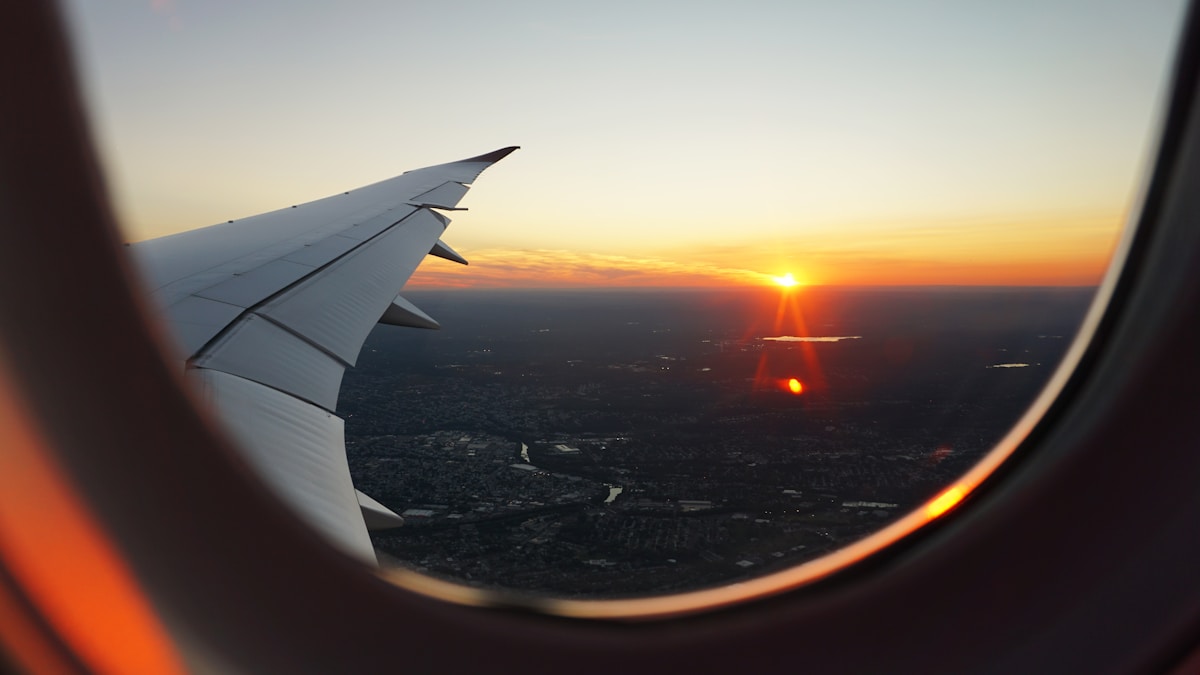
Who doesn't dream of exploring the pyramids of Egypt, relaxing on a beach in Bali, or backpacking through Europe? The most common excuse for not traveling is, "I can't afford it." But here is the secret: traveling does not have to be expensive. In fact, with the right strategies, you can travel longer and better for less than you spend at home.
Whether you are a student, a family, or a professional, this guide will teach you how to travel on a budget without sacrificing comfort or safety. We have compiled 20 insider tips used by nomads and travel experts to save money on flights, accommodation, food, and activities.
Before you start planning, make sure to check out our list of Best Places to Travel in 2024 for destination inspiration that fits your wallet.
Part 1: Mastering Cheap Flights
Flights are often the most expensive part of any trip. Saving even $100 here and there adds up quickly.
1. Be Flexible with Dates
If your schedule allows, flexibility is your best asset. Flying on Tuesdays and Wednesdays is generally cheaper than weekends. Use tools like Google Flights to view the calendar and find the cheapest days to fly.
2. Use Incognito Mode
There is some debate about whether airlines track your cookies, but many travelers swear by booking in Incognito or Private browsing mode. It prevents sites from raising prices based on your search history.
3. Book in Advance (But Not Too Early)
The "Goldilocks window" for booking flights is usually 1 to 3 months before departure for domestic flights and 2 to 8 months for international flights. Booking too late often results in price spikes.
4. Consider Budget Airlines
Don't overlook carriers like Ryanair (Europe), Southwest (USA), or AirAsia (Asia). Just be mindful of baggage fees, which can add up. Pack light to avoid these extra charges.
5. Fly into Alternative Airports
Instead of flying into London Heathrow, try London Gatwick or Stansted. Instead of San Francisco, try Oakland. Alternative airports often have lower landing fees, which translates to savings for you.
Part 2: Affordable Accommodation Hacks
You don't need to stay in a luxury resort to have a great experience. Here is how to sleep cheap:
6. Embrace Hostels
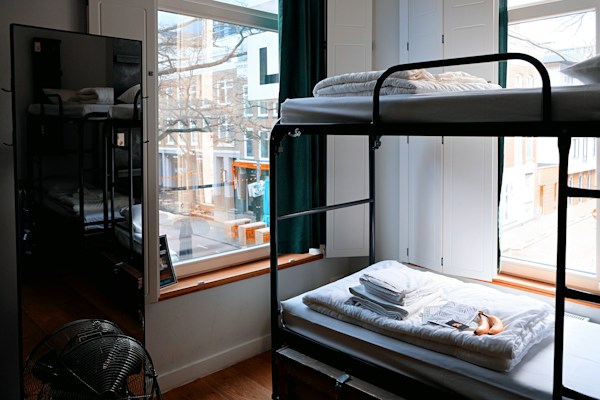
Hostels aren't just for college kids. Modern hostels offer private rooms and amenities like pools and co-working spaces. Websites like Hostelworld are great for finding top-rated spots.
7. Try House Sitting
Websites like TrustedHousesitters connect travelers with homeowners who need someone to watch their pets or home while they are away. It’s free accommodation in exchange for a little responsibility!
8. Vacation Rentals for Groups
Traveling with friends? Renting an apartment or villa via Airbnb or Vrbo is often cheaper per person than booking multiple hotel rooms, plus you get a kitchen to cook your own meals.
Part 3: Saving on Food and Dining
Food is a huge part of the travel experience, but restaurant bills can drain your wallet fast.
9. Eat Street Food
In places like Thailand, Mexico, and India, street food is not only cheap but also often safer and tastier than tourist traps. Look for stalls with long lines of locals—that’s the seal of approval.
10. Shop at Local Markets
Visit local grocery stores or farmers' markets. Buy fresh fruit, cheese, and bread for a picnic lunch. It’s a romantic and budget-friendly way to enjoy a meal in a park or on the beach.
11. Cook Your Own Meals
If your accommodation has a kitchen, cook dinner! Even making a simple pasta dish saves you $15-$20 compared to a restaurant.
12. Avoid "Tourist Menu" Restaurants
Restaurants right next to major landmarks often charge double. Walk three or four blocks away into the residential neighborhoods to find authentic food at local prices.
Part 4: Transportation and Activities
13. Walk Everywhere
It’s free, it’s good for you, and you see more. Walking is the best way to discover hidden gems you would miss on a bus or taxi.
14. Use Public Transit
Instead of taxis, use the bus, subway, or tram. It’s a cultural experience in itself and costs pennies on the dollar. Many cities offer tourist transit passes that offer unlimited travel for a set period.
15. Free Walking Tours
Most major cities have free walking tours. You tip the guide what you think the tour was worth. It’s a great way to get oriented with the city and learn the history. Check out Freetour.com for options.
16. Seek Out Free Attractions
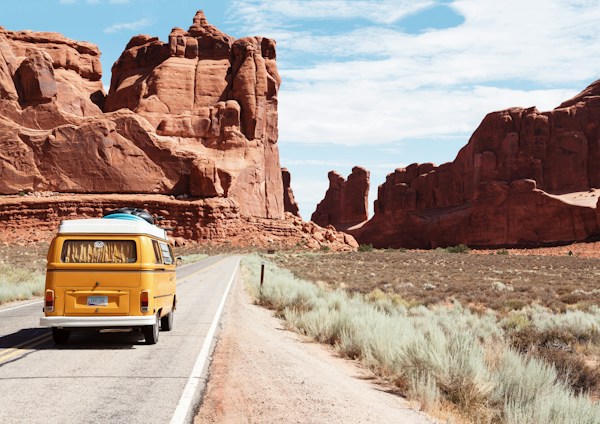
Museums often have free entry days (usually the first Sunday of the month). Parks, beaches, hiking trails, and historic neighborhoods are always free to explore.
Part 5: Financial Management
17. Get a Travel Credit Card
Many cards offer no foreign transaction fees, which can save you 3% on every purchase. Some also offer great sign-up bonuses that can cover your flight. Check out offers from major banks like Chase or Capital One.
18. Use a Fee-Free Bank Account
Traditional banks charge hefty fees for ATM withdrawals abroad. Look for online banks like Revolut, Charles Schwab, or N26 that reimburse ATM fees worldwide.
19. Avoid Dynamic Currency Conversion (DCC)
When paying by card abroad, always choose to pay in the local currency, not your home currency. Paying in your home currency allows the merchant to set a terrible exchange rate.
20. Track Your Spending
Use an app like Trail Wallet or a simple Excel sheet. Seeing exactly how much you spend on coffee keeps you accountable and helps you adjust your budget in real-time.
Conclusion: Travel More, Spend Less
Traveling on a budget isn't about being cheap; it's about being smart. By implementing these tips, you can extend your trip from one week to one month. The world is waiting, and now you know how to see it without emptying your bank account.
Ready to pack? Check out our next guide on The Ultimate Travel Packing List to make sure you bring everything you need without overpaying for baggage!